


Speech Blubs: Language Therapy
4.61.67K Reviews
App Specs
- Version
- 18.6.0
- Updated On
- License
- Free
- Downloads
- 5,000,000+
- Developer
- Blub Blub Inc.
- Categories
- Parenting
- Platform
- Android, iOS
Screenshots
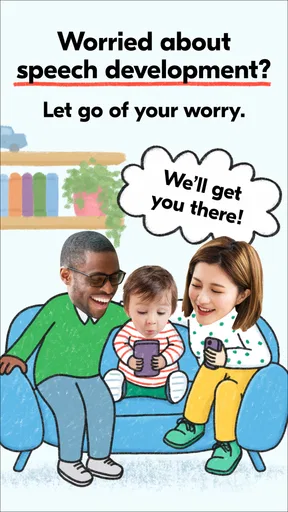
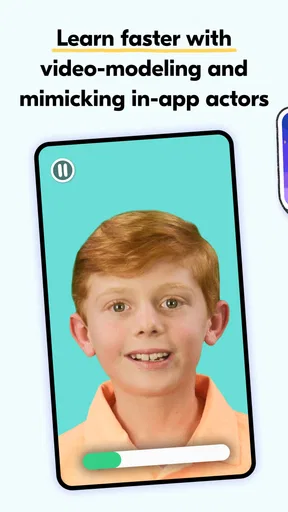
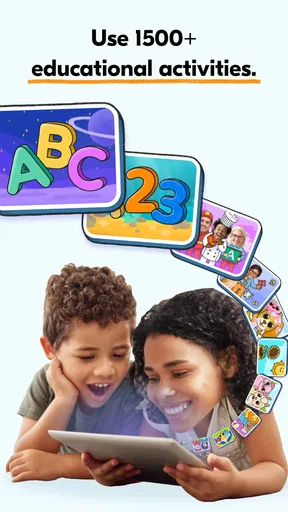
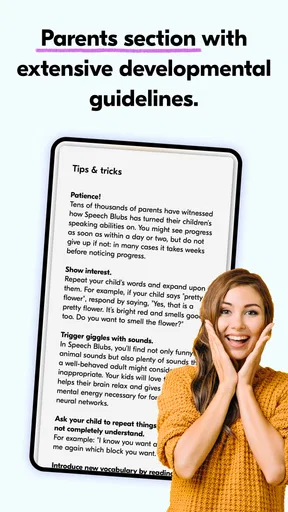

 Analysis by AppCompare
When a child is practising new sounds, the hardest part can be finding a moment that feels relaxed rather than like another lesson. I see Speech Blubs: Language Therapy as a playful way to bring speech practice into everyday routines, especially for families who want a child to engage with spoken examples on a phone or tablet. It is a parenting app from Blub Blub Inc., and its child-focused approach is more useful when an adult joins in than when the device is left to do all the teaching.
What to expect from its pace
The short activity format is a practical fit for children whose attention comes and goes. Rather than setting aside a long block of time, I would use it for a brief practice moment and stop while the child is still interested. That makes it easier to fit around breakfast, a quiet stretch after school, or a wait before an appointment. The app’s playful presentation can help invite participation, but it cannot guarantee that every child will warm to the same activity or want to repeat a sound on cue.
Speech practice also depends on the child’s mood, not just on how quickly an app opens or moves between activities. If a child is tired, distracted, or frustrated, I would treat that as a cue to pause rather than push through a session. A calm, short attempt is more likely to feel like a shared game than a test. For a parent deciding whether this kind of tool fits, that flexibility matters more than expecting a fixed daily routine to work for every family.
When an adult stays involved
The app is most convincing as a shared activity. A parent can sit nearby, listen to the examples, and encourage a child to try without turning every response into a correction. That small change in approach can make the screen less of a babysitter and more of a prompt for conversation. I would also let the child choose when to repeat and when to move on, since enthusiasm is part of what makes practice sustainable.
For example, after school a child might be willing to try a few activities while a caregiver prepares a snack. The adult can join for a minute, repeat a sound naturally, and then connect it to something the child is already talking about. If the child loses interest, the session can end there. This is a realistic use of a short-form app: a small opportunity to practise, not a substitute for the broader conversations children have with family, teachers, and other people around them.
How I would use the feedback
Speech recognition and immediate responses can make an activity feel interactive, but I would not treat an app’s response as a clinical judgment. A phone is responding through its microphone in a particular setting, and the result may not capture everything a parent or specialist notices in ordinary conversation. Background noise, distance from the device, and a child speaking softly are sensible reasons to try again in a quieter moment rather than assume a single response tells the whole story.
A useful routine is to keep the device close, reduce nearby noise where practical, and let the child speak at a comfortable pace. If the activity does not seem to register a response, I would first check the environment and the child’s willingness to continue. This avoids turning technical friction into pressure on the child. The feedback is best understood as part of the activity, not as a replacement for a speech-language professional’s assessment or advice.
Worth Reading Before You Choose

Flipboard Shows What News Apps Must Do Beyond the Feed

Switching to Android Auto Means Rethinking Your Driving Routine

Google Calendar Makes a Crowded Week Easier to Manage

Ludo King Makes the Most of the Minutes Between Plans

Baby Panda World Brings Quick Play to Modern Phones, but Its Game Library Feels Busy

ESPN’s Live Game View Makes Following Close Games Easier
Where it fits among other options
Compared with picture books, songs, and ordinary conversation, this app offers a more structured screen-based prompt. That can be helpful when a caregiver wants ready-made examples and a child enjoys watching other children model speech. The trade-off is that everyday talk is more flexible: an adult can follow the child’s interests, slow down, and respond to an unexpected question in a way a prepared activity cannot.
I would use the app alongside those familiar alternatives, not instead of them. A story at bedtime or a conversation during a walk gives a child chances to hear and use language in context. The app can add a focused practice option when the family wants one, while books and face-to-face interaction remain better choices when the goal is open-ended conversation or a screen-free break.
Who is likely to benefit—and who may not
Families looking for playful speech practice, caregivers who want a structured activity to share, and educators seeking a supplementary classroom prompt may find it worthwhile. It is also suited to parents who can stay nearby and help keep the experience low-pressure. The app is free to download, has an Everyone age rating, and includes in-app purchases priced from $9.99 to $99.99 per item, so I would check the purchase choices with a caregiver before handing over a device.
It may be a poor fit for a child who dislikes screens, becomes upset by repeated prompts, or needs individualized support beyond what an app can provide. It is also not the right choice if a parent expects an automatic solution or a clear diagnosis from an activity. In those situations, direct advice from a qualified speech-language professional is more appropriate; the app can still be a supplementary activity if that professional thinks it suits the child.
Keeping practice comfortable and useful
One practical tip is to decide on a stopping point before opening the app. A short, predictable window can prevent an enjoyable activity from stretching into a negotiation when the child is ready to move on. Another is to notice which kinds of prompts hold the child’s attention and which ones lead to frustration. That observation can guide the next session without turning the experience into a formal scorecard.
If you are using it with more than one child, I would avoid comparing their responses. Children develop at different paces, and the same activity can feel easy for one child and difficult for another. It is more helpful to focus on whether the child is willing to participate and whether practice remains positive. When concerns persist, notes from everyday interactions may be more useful to discuss with a professional than a parent’s interpretation of an app response alone.
Speed, stability, and device considerations
Speech Blubs has a 4.5 average from around 25,000 ratings, and it has been installed over a million times. Those figures suggest that many families have tried it, but they do not tell me whether it will feel smooth on every device or in every home. The app’s current version is 14.0.3, and it runs on Android 6.0 or later. Before relying on it for a planned session, I would check that it opens and that the sound works on the device the child will use.
Because activities involve listening and spoken responses, the practical experience depends on more than tapping through a screen: the device needs to be positioned so the child can see and hear it, and the room should be quiet enough for speech practice. I would not assume that a particular phone or tablet will handle the app identically to another. If performance feels slow or the microphone response seems inconsistent, closing other active tasks, moving to a quieter spot, and trying again are sensible first steps. If the child is already frustrated, it is better to stop and return later than troubleshoot over them.
A measured performance verdict
My overall view is that this is a useful, approachable supplement when a child enjoys interactive speech practice and an adult can guide the session. Its short activities and child-oriented presentation make it easier to try a little practice without planning a formal lesson. Its limits are just as important: app feedback is not a diagnosis, a screen cannot replace responsive conversation, and children will not all react to the same prompts in the same way.
With an average rating of 4.5, a free starting point, and optional purchases, it is easy for a parent to explore whether the format suits their household, while remembering that some content involves additional cost. Speech Blubs was released on November 3, 2017, and the breadth of its audience is reflected in around 1,500 reviews as well as its million-plus installs. I would recommend trying it in a calm, supervised moment and judging it by whether the child stays comfortable and engaged—not by expecting instant progress.
What makes the activities work
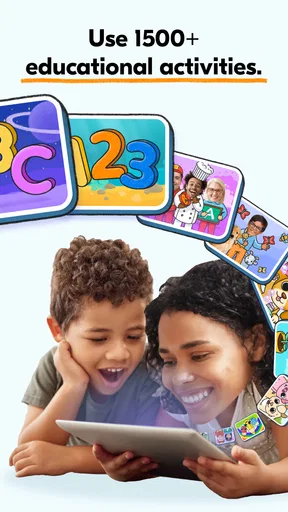
So, what exactly is Speech Blubs: Language Therapy? In simple terms, it's an app designed to help children develop their language skills through interactive and playful activities. It’s packed with over 1,500 activities that cater to different speech goals, making it a versatile tool for kids with speech delays or those just starting their language journey.
Features That Make It Stand Out
First off, the app is super user-friendly. The interface is colorful, intuitive, and easy for kids to navigate. One thing I love is how it uses real kids’ voices and faces in the activities. This gives it a personal touch that’s both relatable and motivational for young learners.
Another cool feature is the use of speech recognition technology. The app listens to your child’s speech and provides immediate feedback. It’s like having a personal speech therapist on your device! Plus, the activities are designed to be short and sweet, perfect for little attention spans.
Why Parents and Educators Love It
One of the biggest selling points of Speech Blubs is its flexibility. It’s not just for kids with speech issues; it’s great for any child looking to expand their vocabulary and improve pronunciation. Parents can track their child’s progress and get insights into areas that need improvement, which is a nice bonus.
Educators find it handy too. With its wide range of activities, it complements classroom lessons beautifully. It’s a breeze to integrate into daily learning routines, and the kids genuinely enjoy the interactive elements.
Wrapping It Up
All in all, Speech Blubs: Language Therapy is a fantastic app that makes language learning an adventure. Whether your child needs a little extra help or you just want to give them a head start, this app is worth checking out. It’s packed with features that are both educational and entertaining, striking the perfect balance.
So, if you’re ready to embark on a language-filled journey with your little one, give Speech Blubs a try. Who knew learning could be this much fun?
Pros
- Engaging interactive exercises for kids.
- Personalized learning paths enhance progress.
- Visually appealing and child-friendly interface.
- Regular updates with fresh content.
- Supports multiple languages for wider reach.
Cons
- Requires subscription for full features.
- Limited offline functionality.
- May not suit older children.
- High device storage usage.
- Occasional app crashes reported.
FAQs for Speech Blubs: Language Therapy
What is Speech Blubs: Language Therapy and who is it for?
Speech Blubs: Language Therapy is an interactive app designed to assist children in developing speech and language skills. It's ideal for young kids, especially those with speech delays or communication challenges. The app uses engaging activities, voice-controlled games, and fun videos to make learning enjoyable and effective.
How does Speech Blubs assist in language development?
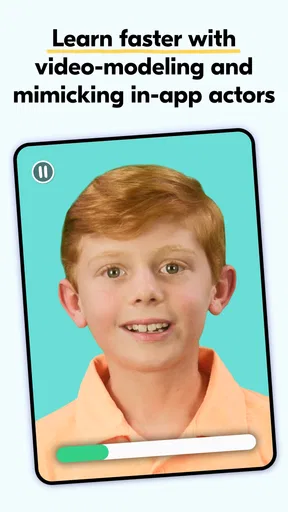
The app utilizes a combination of video modeling, interactive exercises, and voice recognition technology to encourage kids to practice speaking. By imitating the app's models and receiving instant feedback, children can improve their pronunciation, vocabulary, and overall communication skills. It’s a playful yet structured approach to language therapy.
Is Speech Blubs suitable for all age groups?
Speech Blubs is primarily targeted at children ages 1-8. While it's particularly beneficial for kids with speech delays, it can also be used by any child to boost language development. The content is tailored to be age-appropriate, engaging, and educational, ensuring it meets the needs of its young audience.
Does Speech Blubs require any special equipment to use?
No special equipment is necessary to use Speech Blubs. It can be installed on any compatible Android or iOS device. However, a microphone is essential as the app uses voice recognition to provide feedback. Most smartphones and tablets come with built-in microphones that work perfectly with the app.
Are there any subscription fees or in-app purchases in Speech Blubs?
Yes, Speech Blubs operates on a subscription model. While the app can be downloaded for free, accessing the full range of features requires a subscription. There may also be in-app purchases to unlock additional content or features. It's advisable to review the pricing details within the app before committing.


